
Plague Dogs – The Heartwood Institute (2026) – Album Review
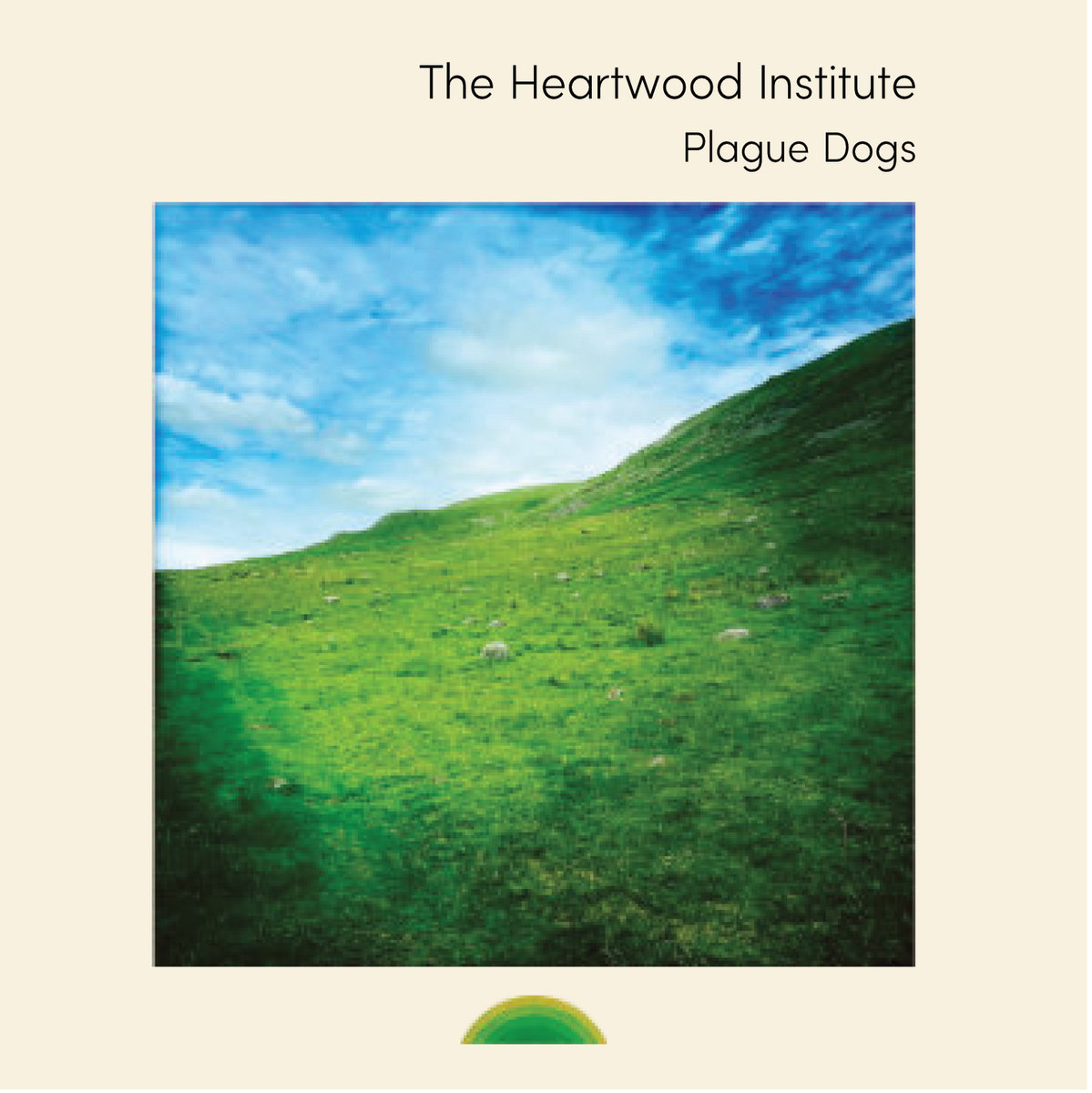
Album: Plague Dogs
Artist: The Heartwood Institute
Release Date: April 20, 2026
Label: Folk Police Recordings
There is something in rural parts of the United Kingdom that inspires the activities of its denizens to make whimsical sounds, airy chords, vague, nostalgic theme songs, and lo-fi beats. That human thumbprint seems to have tamed the wilds into a docile state, yet its song is one of resistance and potential deception. We think we are masters of nature, but in reality, we are just the gardeners who have a small and weakening dominion over our plots. Jonathan Sharp, the artist behind The Heartwood Institute, would like to remind us all of our place in the natural order. Preservation of nature, especially in Cumbria, is of great importance in his songs. With the worsening trajectory of climate change and the broader political instability, conservation will be of utmost importance if we want to delay our own extinction event.
Cumbria is a rural area in northwest England, bordering Scotland, and it’s easy to make the comparison to Boards of Canada. Some people like city lo-fi, others like park lo-fi, some get into the liminal space lo-fi, and some just rumble around in the bushes for some folk lo-fi. This album plays in that same realm of nature/park lo-fi electronics. However, instead of a general theme, the artist bases the album on Richard Adams’s novel, The Plague Dogs. If you’re unfamiliar with Richard Adams, I’ll say two words, and it will wake you up: “Watership Down.”
Now that you have that potential childhood trauma circulating in your system, this album is less about trauma and more about a sonic retelling. It isn’t a soundtrack meant to accompany the story, as it is too active and filled with interesting textures, sounds, and good composition. Some of the synths and composition remind me of Martin Gore’s MG output, particularly the use of raw, unaffected synths, paired with emotional pads and simplistic percussion.
One of the best excerpts from this album is “Escape From Lawson Park” and “The Tod.” “Escape From Lawson Park” opens with a tension-filled ghost-stab melody that keeps you on edge. It’s the steady and stark percussion that drives the track forward, with a bass growl nipping at your backside. The barking foxes and uncertain yet whimsical plucks of “The Tod” offer an interesting contrast. While it is not an uplifting piece, as it still has that dangerous uncertainty, the crystalline pads are paired well with the simple beat of noise claps and other little synthetic sounds.
I enjoyed the dramatic “Wrynose Pass” for its simple bass pulse and shifting string synths. While it is one of the longer tracks, it doesn’t suffer too much from monotony as it revisits themes from the intro to the outro. There is something clever about the bit-crushed drums, as it has just enough variety to keep the track moving. Not overly harsh or distracting, which can be a major sticking point for me. Six minutes of grating distorted square waves, this is not.
The ending track is slightly uplifting, but still cautious in its chord progression. The use of crashing wave samples isn’t too heavy-handed, and the trailing bass note follows the drones and shimmering horns. With just enough interesting miscellaneous synth textures to add some variety, it’s a pretty fitting final track. “The Beach At Drigg – Rescued” gives you what you want: a satisfying end.
Yes, you get a dog barking at the end of the album as well.
I won’t give you a warning bark at the end of this review, as I think it’s worth listening to start to finish. If you haven’t read the book, give it a solid week and spend some time with the album. The book isn’t necessary to understand or appreciate what The Heartwood Institute created, but it does give the album greater context and impact. One significant note is that the label, Folk Police Recordings, is donating its share of profits from the album to the local Animal Rescue Cumbria, which is a nice touch.
Author