
Boards of Canada – Inferno (2026) – Album Review
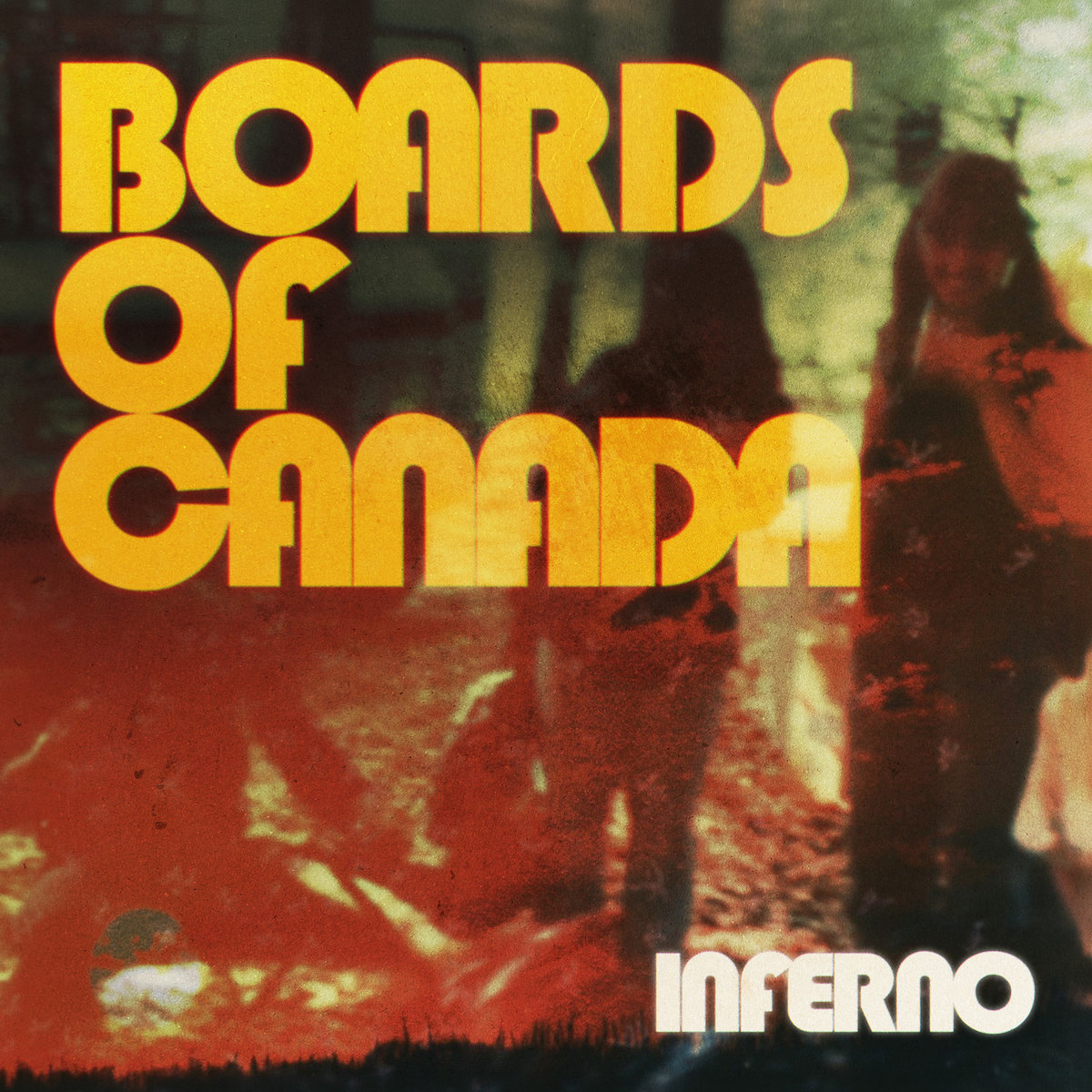
Album: Inferno
Artist: Boards of Canada
Release Date: May 29, 2026
Label: Warp Records
After listening to this album, one question kept circling my skull: where’s the growth? A lot of us grew up on this sound, so of course we have fond memories of Boards of Canada. They tapped into the 1980s/90s American childhood better than almost anyone making “electronic music” – fourth-grade Scotch tape, dry cardboard, soft educational synths from public service announcements … you know, those beautiful little classroom films made by creative people on a shoestring budget that made the world feel both safe and deeply subjective. It’s tapping into that sensory archive of music that gave listeners a strange and powerful illusion of self-recognition and absolutely no responsibilities to this planet.
That is not an insult. There is real value in dissociating into something more abstract for a while. Sometimes you need to climb into a comfortable vessel and float above the wreckage with a soft nostalgic aura around you, untethered from reality, observing the absurdity of the world you’ve helped build. It feels good to you. It has always felt good. But at some point, the question has to change – and the listener should change, too. I mean, the world certainly changes, right? Nostalgia is a dangerous solvent when it keeps dissolving the present into a prettier version of the past you may or may not have actually lived through. And this is where I start to wonder if Boards of Canada know exactly where their audience still lives: suspended in that old familiar, delusional haze. Like every other media franchise built on memory, they’re banking that people will return because they recognize the smell of a room.
And maybe that’s the smart play. Maybe people will eat it up. But recognition and growth are different experiences, and this album left me wondering which one we’re actually being offered.
I have a lot of friends, and probably ten times as many acquaintances, who would give anything to make music full time. A few of them already function like full-time musicians in every meaningful sense, except they also have full-time jobs, bills, responsibilities, partners, side projects, and whatever other little anchors keep a person tethered to the world. They write, record, perform, organize shows, design flyers, build communities, maintain productive hobbies, and somehow still show up to work the next morning. If some benevolent financial specter or Dan Akroyd, in all his hundreds of millions of dollars, appeared and told them their bills were covered, their rent was handled, and their lives could be built around spiritual joy instead of spiritual survival, I’m sure most of these friends and acquaintances would take the deal. Who wouldn’t? They could explore their craft without the constant pressure of labor chewing through their attention. They could travel, collaborate, fail properly, try again, and evolve in directions that ordinary life rarely permits.
I was going to go on this rant about how one of the few responsibilities a musician/artist has is to grow or evolve – and if given the chance, my friends and acquaintances would never stick to the same motifs and would gladly use their time and energy to go to strange new place blah blah. But that thought, along with this album, made me realize something bleak about that fantasy. Being Boards of Canada has now become the full time job – and maybe that’s the problem. At some point, the project itself became just a ride – or maybe an enterprise of experience with expectations attached to it. The audience wants the recognizable atmosphere, the old haze, the soft synth melancholy, the childhood-memory obscure vocal samples poured into the same familiar mold. I mean, they promo’d this with VHS tapes. Music built from memory has tremendous power, especially when it understands the smells, the feelings, textures, and the ghosts of every middle American childhood. Boards of Canada mastered that language long ago. They know how to press the old bruises with elegance. But why go there? If I wanted to regain that feeling I’d just listen to Olson or maybe watch watch an old Jacques Cousteau documentary.
A project can become trapped inside the reverence built around it by those who hold it in high regard – that pit can have velvet walls and excellent acoustics. That kind of stagnation feels especially dangerous now, in a culture already drowning in recycled childhood, rebooted mythologies and corporate nostalgia dressed up as comfort. Artists should strive to evolve – otherwise they’ll join the great museum of comforting things an empire keeps around to keep its subjects calm while the lights go out.
Fun album I guess.
Author